Sortie2ADB-24Bombed Primary
“Little Joe, Gremlins Roost”.Over Harburg/Rhenania O/I.
Mission 798 · 17 January 1945 · Harburg, Germany
Serial
42-50505
B-24J
Fuselage Code
AG
Squadron
330th
Ted's Traveling Circus
Aboard
10
men
The crew.
§ 10 aboard
Name
Position
Serial
Hometown
On this flight
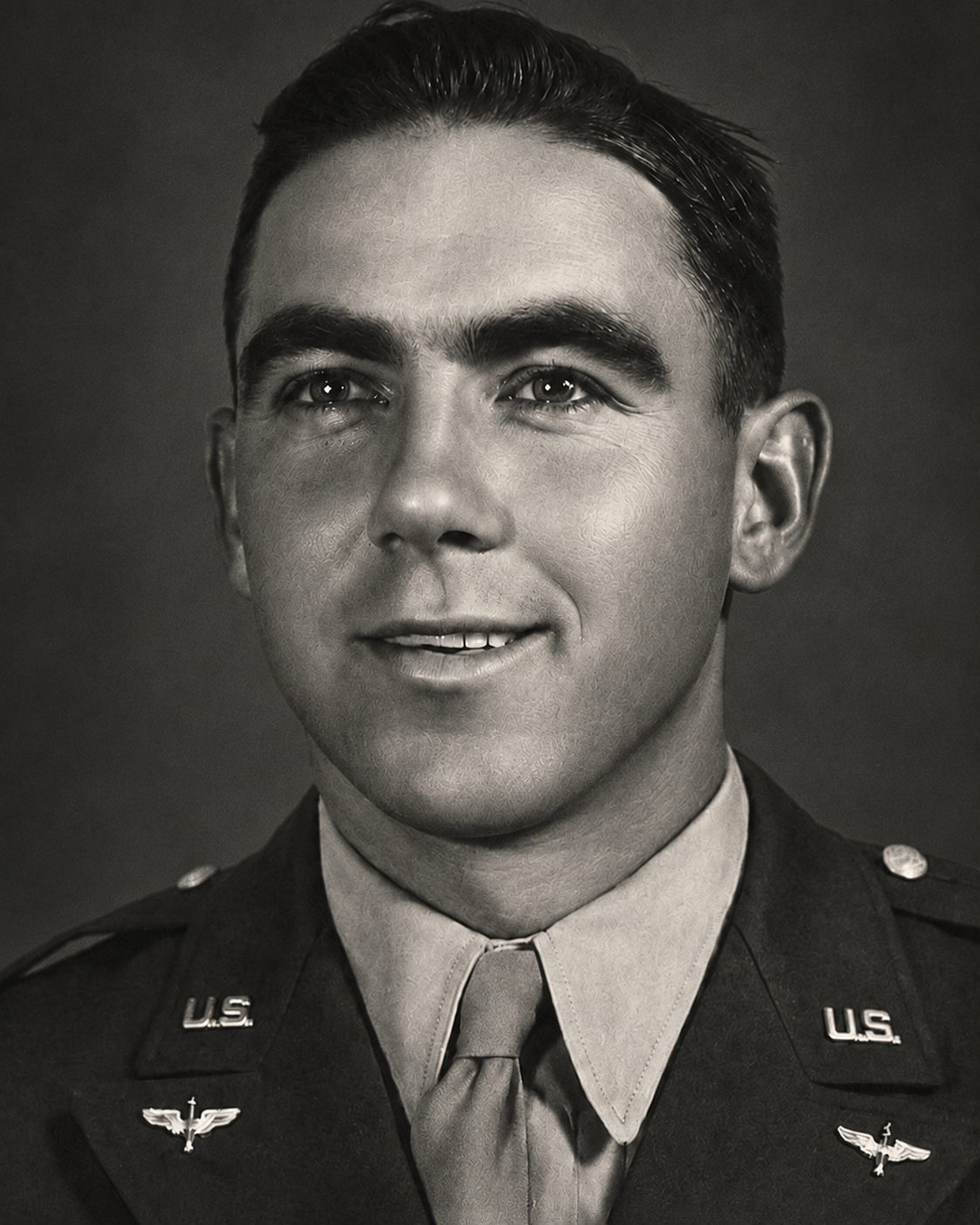
1LtWalter F. Hughes
Pilot
Station 1
O-764680
Santa Barbara
Completed his tour
Returned
→
LtDouglas A. Schetter
Co-Pilot
Station 2
—
—
Returned
→
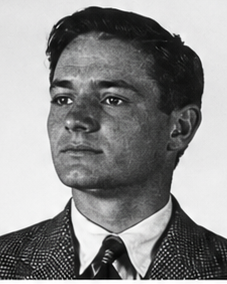
2LtLouis H. Windsor
Navigator
Station 3
O-712976
—
Returned
→
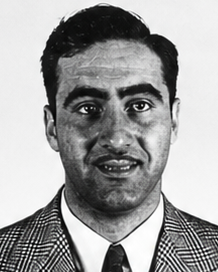
2LtRalph Hendershot
Bombardier
Station 4
O-0768958
—
Returned
→
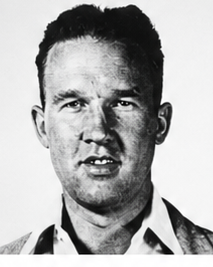
SgtConway Thorstenson
Engineer / Top Turret
Station 5
39464774
—
Returned
→

T/SgtNorbert L. Ecclesfield
“Eck”
Radio Operator
Station 6
3904111
—
Returned
→

SgtMichael J. Kusnir
Waist Gunner
Station 8
35236546
—
Returned
→
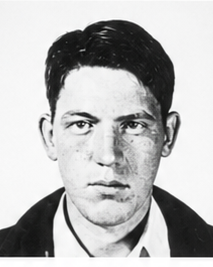
SgtBoyd L. Justice
Tail Gunner
Station 9
38440786
—
Returned
→

SgtRobert T. Lee
“The Old Man”
Nose Gunner
18215267
—
Returned
→
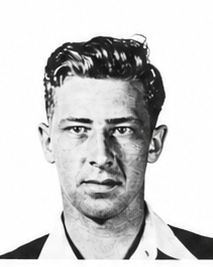
SgtCarroll F. Ruby
Gunner
33734687
—
Returned
→
The load.
§ 6,000 lb aboard
AN-M64
500-pounder
12× 500 lb

TypeGeneral Purpose · TNT/Amatol
Weight6,000 lb
FuzingRDX
The flight.
§ Ship’s Record
The Day
Took off fromHardwick (Sta. 104)
Landed atHardwick (Sta. 104)
The Record
ResultBombed Primary
Record confidenceValidated against a source
Formation
Flew with330th Squadron
Fuel & Equipment
H2X scope photoNo
The target.
§ As Briefed
Harburg/Rhenania O/IOil Industry
LocationHarburg, Germany
Notes.
§ From the Record
On January 17th the briefing officer pulled back the curtain and the red line ran straight to Hamburg. The route went directly over the city, the fastest path through the flak area. The crew sweated the whole way to the target.
The oil refinery at Harburg, just south of Hamburg, was the actual target. Their group came in behind the first wave, flew through the bomb cloud, dropped, and got out. Getting clear of Germany was another matter. The exit route crossed the Danish peninsula and out over the Frisian Islands, directly into the wind. Ground speed dropped to 80 miles per hour approaching the Kiel Canal.
The flak found them there. Bursts lifted one wing and then the other, breaking the formation apart. By bombs away, only five of the original nine aircraft in the 330th Squadron were in any semblance of formation. They dropped and scattered.
It was the coldest mission the crew had flown, the temperature recorded at minus 48 degrees Celsius. Two ships from the squadron were lost. One, flown by Gruener, was forced to divert to Sweden. The aircraft took several flak holes. Bombing results were assessed as very good.