Sortie2BDB-24Bombed Primary
“Miss Star Dust”.Over Harburg Rhenania Ebano.
Mission 667 · 06 October 1944 · Harburg, Germany
Serial
42-100355
B-24J
Fuselage Code
AG
Squadron
330th
Ted's Traveling Circus
Aboard
9
men
The crew.
§ 9 aboard
Name
Position
Serial
Hometown
On this flight
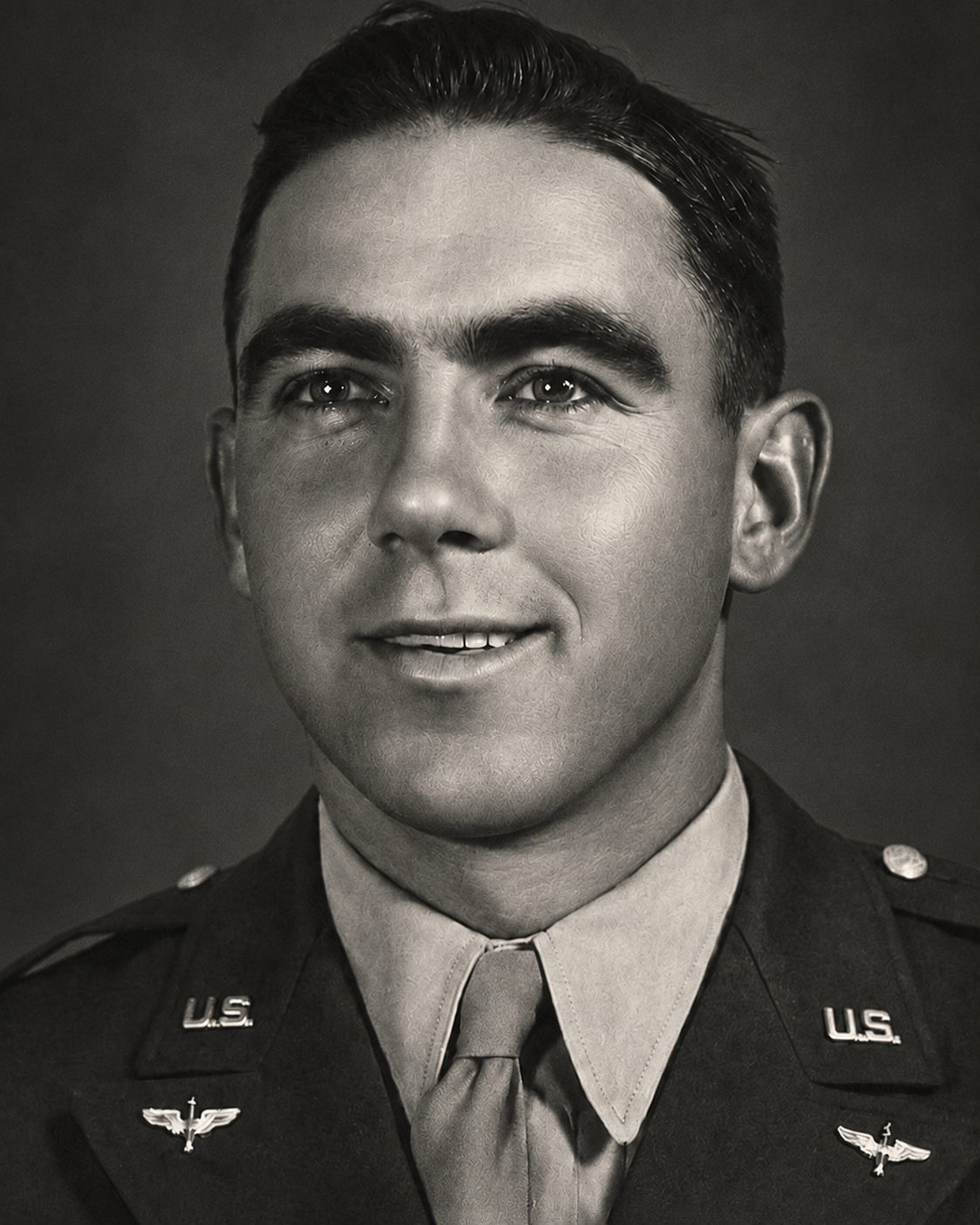
1LtWalter F. Hughes
Pilot
Station 1
O-764680
Santa Barbara
Completed his tour
Returned
→
2LtPeter Scott
Co-Pilot
Station 2
O-772526
—
Returned
→
2LtLouis H. Windsor
Navigator
Station 3
O-712976
—
Returned
→
SgtConway Thorstenson
Engineer / Top Turret
Station 5
39464774
—
Returned
→
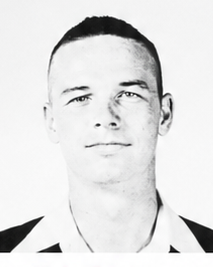
T/SgtNorbert L. Ecclesfield
“Eck”
Radio Operator
Station 6
3904111
—
Returned
→
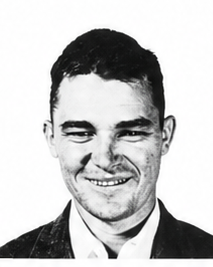
SgtMichael J. Kusnir
Waist Gunner
Station 8
35236546
—
Returned
→
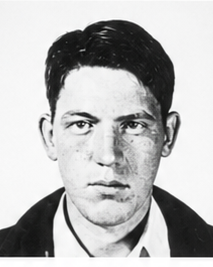
SgtBoyd L. Justice
Tail Gunner
Station 9
38440786
—
Returned
→
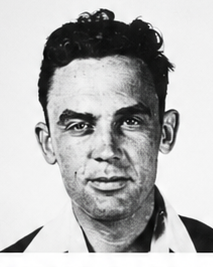
SgtRobert T. Lee
“The Old Man”
Nose Gunner
18215267
—
Returned
→
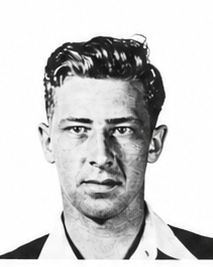
SgtCarroll F. Ruby
Gunner
33734687
—
Returned
→
The load.
§ 5,000 lb aboard
AN-M64
500-pounder
10× 500 lb
TypeGeneral Purpose · TNT/Amatol
Weight5,000 lb
The flight.
§ Ship’s Record
The Day
Took off fromHardwick (Sta. 104)
Landed atHardwick (Sta. 104)
The Record
ResultBombed Primary
Record confidenceInferred
Formation
Flew with330th Squadron
Fuel & Equipment
H2X scope photoNo
The target.
§ As Briefed
Harburg Rhenania EbanoOil Industry
LocationHarburg, Germany
Notes.
§ From the Record
The crew had been to Hamburg once before, on October 6th. That first time, the 2nd Air Division had tried something different: 450 aircraft split into three-ship formations and approached the target from every direction. It made little difference. The Hamburg gunners tracked each flight individually regardless, and with 150 separate formations in the air, they simply divided their attention accordingly. Bombing results that day were reported as poor.
This return visit followed a more conventional approach. The route came in over Nordholz, past the North Weser estuary, Bremen, Verden, Nienburg, and Harburg, with the exit back out over the Frisian Islands. Smoke pods were visible around Bremen, Hamburg, and the mouth of the Kaiser Wilhelm Canal. Over the target, 230 88mm guns were active and the flak was intense. Cloud cover at 10/10ths obscured any view of the results.
Ralph flew with another crew that day, testing an all-glass enclosed nose configuration. With no bombardier aboard their own aircraft, Hughes handled the bomb drop himself. Ten 500-pound GP bombs went down into the overcast.
The aircraft came back with a large hole in the left side and a fair chip out of the number three propeller. All crew returned safely. Elsewhere in the formation, three men had bailed out.