Sortie2BDB-24Bombed Primary
“Joker, The”.Over Hamburg/Dpag.
Mission 720 · 21 November 1944 · Hamburg, Germany
Serial
44-40472
B-24J
Fuselage Code
AG
Squadron
330th
Ted's Traveling Circus
Aboard
10
men
The crew.
§ 10 aboard
Name
Position
Serial
Hometown
On this flight
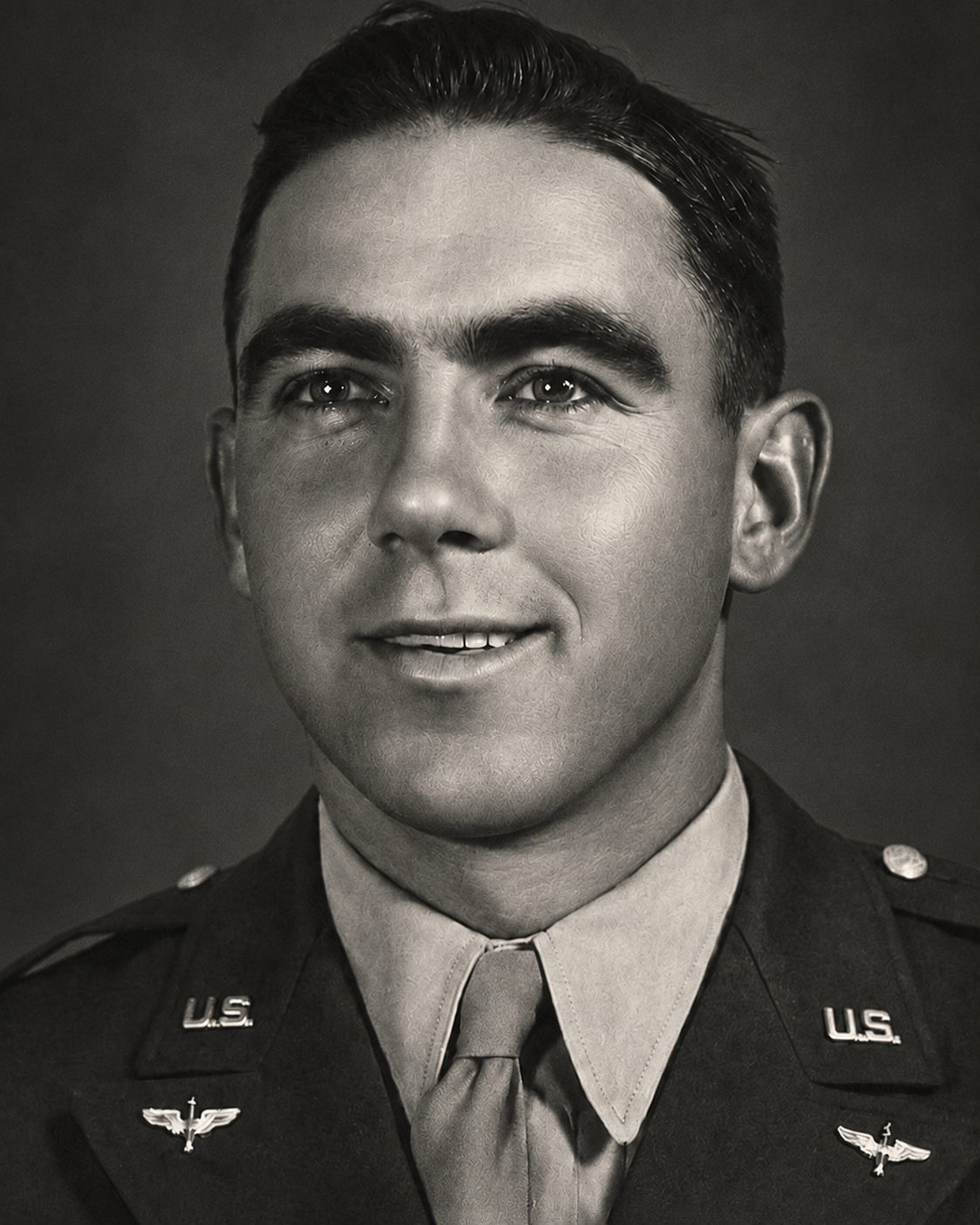
1LtWalter F. Hughes
Pilot
Station 1
O-764680
Santa Barbara
Completed his tour
Returned
→
2LtPeter Scott
Co-Pilot
Station 2
O-772526
—
Returned
→
2LtLouis H. Windsor
Navigator
Station 3
O-712976
—
Returned
→
2LtRalph Hendershot
Bombardier
Station 4
O-0768958
—
Returned
→
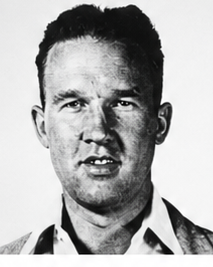
SgtConway Thorstenson
Engineer / Top Turret
Station 5
39464774
—
Returned
→
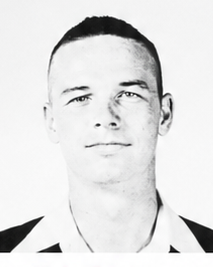
T/SgtNorbert L. Ecclesfield
“Eck”
Radio Operator
Station 6
3904111
—
Returned
→
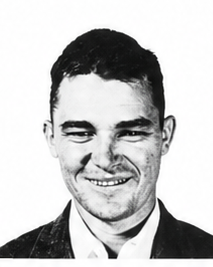
SgtMichael J. Kusnir
Waist Gunner
Station 8
35236546
—
Returned
→
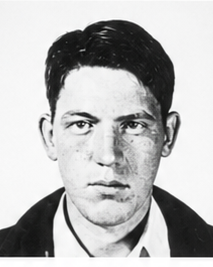
SgtBoyd L. Justice
Tail Gunner
Station 9
38440786
—
Returned
→
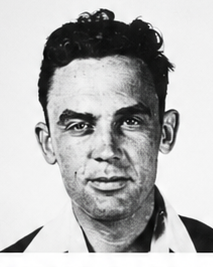
SgtRobert T. Lee
“The Old Man”
Nose Gunner
18215267
—
Returned
→
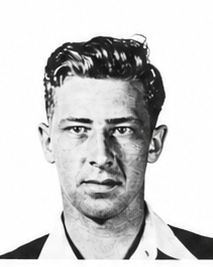
SgtCarroll F. Ruby
Gunner
33734687
—
Returned
→
The flight.
§ Ship’s Record
The Day
Took off fromHardwick (Sta. 104)
Landed atHardwick (Sta. 104)
The Record
ResultBombed Primary
Record confidenceValidated against a source
Formation
Flew with330th Squadron
Fuel & Equipment
H2X scope photoNo
The target.
§ As Briefed
Hamburg/DpagUnknown
LocationHamburg, Germany
As the log wrote itHamburg
Notes.
§ From the Record
The crew returned from their London pass to find the weather holding them on the ground until November 21st. At briefing that morning, the target was announced: Hamburg.
The briefing officer was direct. The formation would be within range of 446 guns, seven minutes before bombs away and nine minutes after. The course ran up through the Frisian Islands, past Heligoland, a sharp turn toward Hamburg, then a right turn south after Bremen, veering east around the city, north of the Danish peninsula, and back out over the North Sea.
As they turned in from the sea at Cuxhaven there was not a cloud in the sky. They were in the third position in the high right when the flak found them. It was thick enough that the lead group disappeared behind its own curtain of smoke. Bursts came between aircraft flying in formation. Then the bombs went away and the formation began a slow right turn.
At that moment a burst detonated close enough to shake every sense at once. The pilot glanced at Pete Scott in the co-pilot's seat. Pete looked back, apparently unaware he had been hit. There was nothing in his expression except surprise. Then he began to slump forward into the controls.
The crew disengaged Pete's radio, oxygen tube, and safety belt and pulled his flak vest. The ship flew itself most of that time, and by the time they had him clear they were well separated from the group, which they never found again. Conway climbed into the co-pilot's seat. Eck radioed ahead. The pilot put the aircraft into a shallow dive and pushed airspeed to 240 mph.
Over the base, Ralph fired emergency flares. No one saw them. The message Eck had sent hadn't reached the tower, and the group hadn't returned yet. The tower assumed they had aborted before the target. The pilot parked on the taxiway and called for a doctor and an ambulance. Doc Steinbeck arrived and asked how many and where. Then they took Pete out of the plane.
With no one available to move the aircraft, the pilot taxied it to the hardstand himself.
They had beaten the group home by 45 minutes. Doc Steinbeck sent someone along with the pilot to get him through debriefing and to the hospital. On the flight home his face and right arm had begun to burn; fine particles of Plexiglas had passed through his oxygen mask and clothing and into the skin.
Conway later explained what had happened. The flak had clipped the right subclavian artery, close to where it branches from the aorta. Pete had bled to death in under a minute. The wound was nearly impossible to find because of the angle: a small gap at the top of the shoulder where the flak vest didn't cover. The fragment was nearly three-quarters of an inch across.
Hendershot recalled that before they left the hut that morning, Pete had been standing outside against the building, remarking that he and two others didn't have to fly that day.
The aircraft, "The Joker," took an estimated fifty to sixty hits and nearly lost its right wing. It came home alone, north of course, through flak most of the way.
Pete Scott was buried at Cambridge American Cemetery. The pilot accompanied the body on the drive out from the base. He described the cemetery as one of the finest he had ever seen, set in quiet green grounds with a small stream in the valley below a chapel.
Halfway up the path, a work detail of German prisoners was clearing leaves. As the pilot approached, their leader called them to attention. He could not bring himself to return the salute. His hand shook so badly he could barely sign his name on the chaplain's document.
After the mission, Dr. Steinbeck refused to certify the crew for flight until they had rested. They were sent to recuperation and did not return to duty until December 13th.