Sortie2ADB-24Aborted
“Little Joe, Gremlins Roost”.Over Kaiserstuhl.
Mission 809 · 28 January 1945 · Kaiserstuhl, Germany
Serial
42-50505
B-24J
Fuselage Code
AG
Squadron
330th
Ted's Traveling Circus
Aboard
10
men
The crew.
§ 10 aboard
Name
Position
Serial
Hometown
On this flight
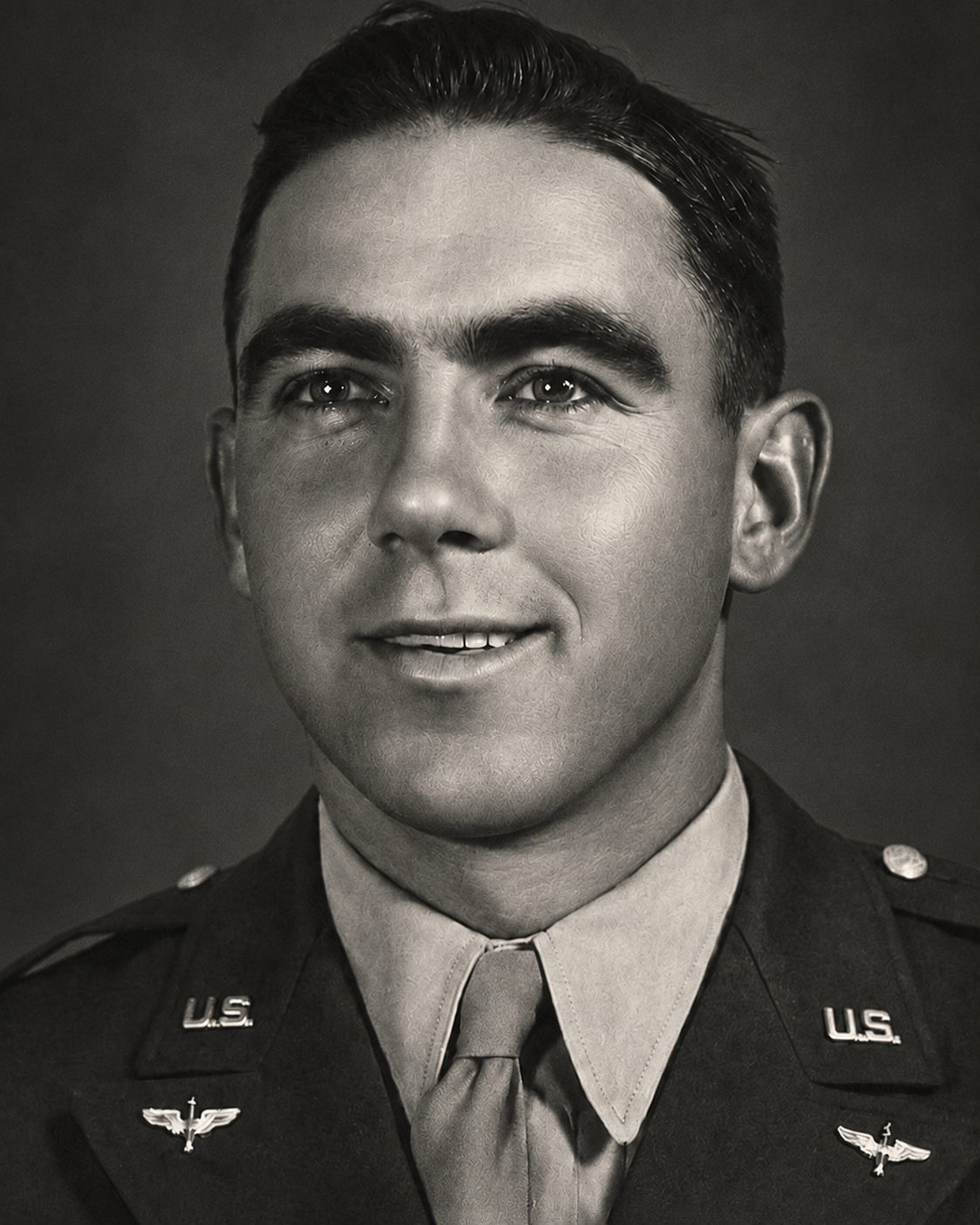
1LtWalter F. Hughes
Pilot
Station 1
O-764680
Santa Barbara
Completed his tour
Returned
→
LtDouglas A. Schetter
Co-Pilot
Station 2
—
—
Returned
→
2LtLouis H. Windsor
Navigator
Station 3
O-712976
—
Returned
→
2LtRalph Hendershot
Bombardier
Station 4
O-0768958
—
Returned
→
SgtConway Thorstenson
Engineer / Top Turret
Station 5
39464774
—
Returned
→
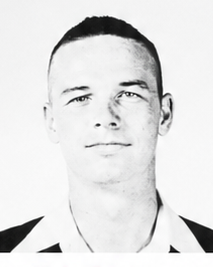
T/SgtNorbert L. Ecclesfield
“Eck”
Radio Operator
Station 6
3904111
—
Returned
→
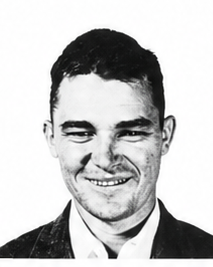
SgtMichael J. Kusnir
Waist Gunner
Station 8
35236546
—
Returned
→
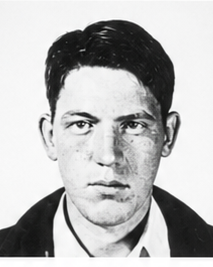
SgtBoyd L. Justice
Tail Gunner
Station 9
38440786
—
Returned
→
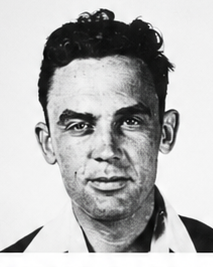
SgtRobert T. Lee
“The Old Man”
Nose Gunner
18215267
—
Returned
→
SgtCarroll F. Ruby
Gunner
33734687
—
Returned
→
The load.
§ 6,000 lb aboard
AN-M64
500-pounder
12× 500 lb

TypeGeneral Purpose · TNT/Amatol
Weight6,000 lb
FuzingRDX - Hughes Memoir
The flight.
§ Ship’s Record
The Day
Took off fromHardwick (Sta. 104)
Landed atHardwick (Sta. 104)
The Record
ResultAborted
Record confidenceValidated against a source
Formation
Flew with330th Squadron
Fuel & Equipment
H2X scope photoNo
The target.
§ As Briefed
KaiserstuhlOil Industry
LocationKaiserstuhl, Germany
Notes.
§ From the Record
The January 28th mission briefed for Osnabrück, with the pilot assigned as deputy lead for the 330th. Takeoff was in dense fog. The crew could make out two runway edge lights. The ground crew, standing 400 feet from the control tower, couldn't see it. Horizontal visibility was less than 400 feet. The interval between takeoffs was stretched to one minute instead of the usual thirty seconds. They got off the ground safely, formed up, and headed toward Germany.
As they crossed the continental coast, flak batteries opened up. The left outboard engine caught fire and began to run away. Engine RPM climbed past the instrument limit of 3,200 and kept going. The left outboard was the worst engine to lose; the torque of all four engines was carried on that wing, and the propeller froze in full fine pitch, the blades flat to the airstream, creating extreme drag. They were at 20,000 feet. Three minutes later they were at 17,000.
They contacted Air-Sea Rescue for permission to salvo the bombs. Clearance came in three minutes. A low cloud layer sat a few hundred feet above the water. ASR found them an airstrip on the water's edge. Every minute or so the pilot counted to five over the radio; from that and radar bearings, ASR directed a British aircraft toward them. Within five minutes a P-47 appeared off the left window, flaps down, flying formation. The British pilot gave the circle sign and said on the radio he was taking them in.
It went smoothly until they hit cloud at 2,000 feet. The bulletproof glass, two inches thick, fogged immediately as the air shifted from dry cold to warm and wet, then began to build ice. Forward visibility was gone. Through the side window the pilot could still see the P-47.
The airfield tower broke in: the main runway was blocked by a crashed B-24. They were to land crosswind on another runway. Wheels and flaps went down and they held position on the P-47's wing. The aircraft came down onto the runway and slid off onto her belly. The crew walked away with a few bruises.
A staff car took the pilot to the commanding officer, where he was thoroughly dressed down for blocking the runway. The ground crew later found fifteen places where ice had torn chunks from the aircraft.
Mission records logged the target variously as Osnabrück and an oil refinery at Dortmund. Four aircraft were lost. The crew received mission credit.