Sortie2BDB-24Bombed Primary
“Ack Ack Shack”.Over Heilbronn.
Mission 619 · 10 September 1944 · Heilbronn, Germany
Serial
42-94970
B-24H
Fuselage Code
AG
Squadron
330th
Ted's Traveling Circus
Aboard
10
men
The crew.
§ 10 aboard
Name
Position
Serial
Hometown
On this flight
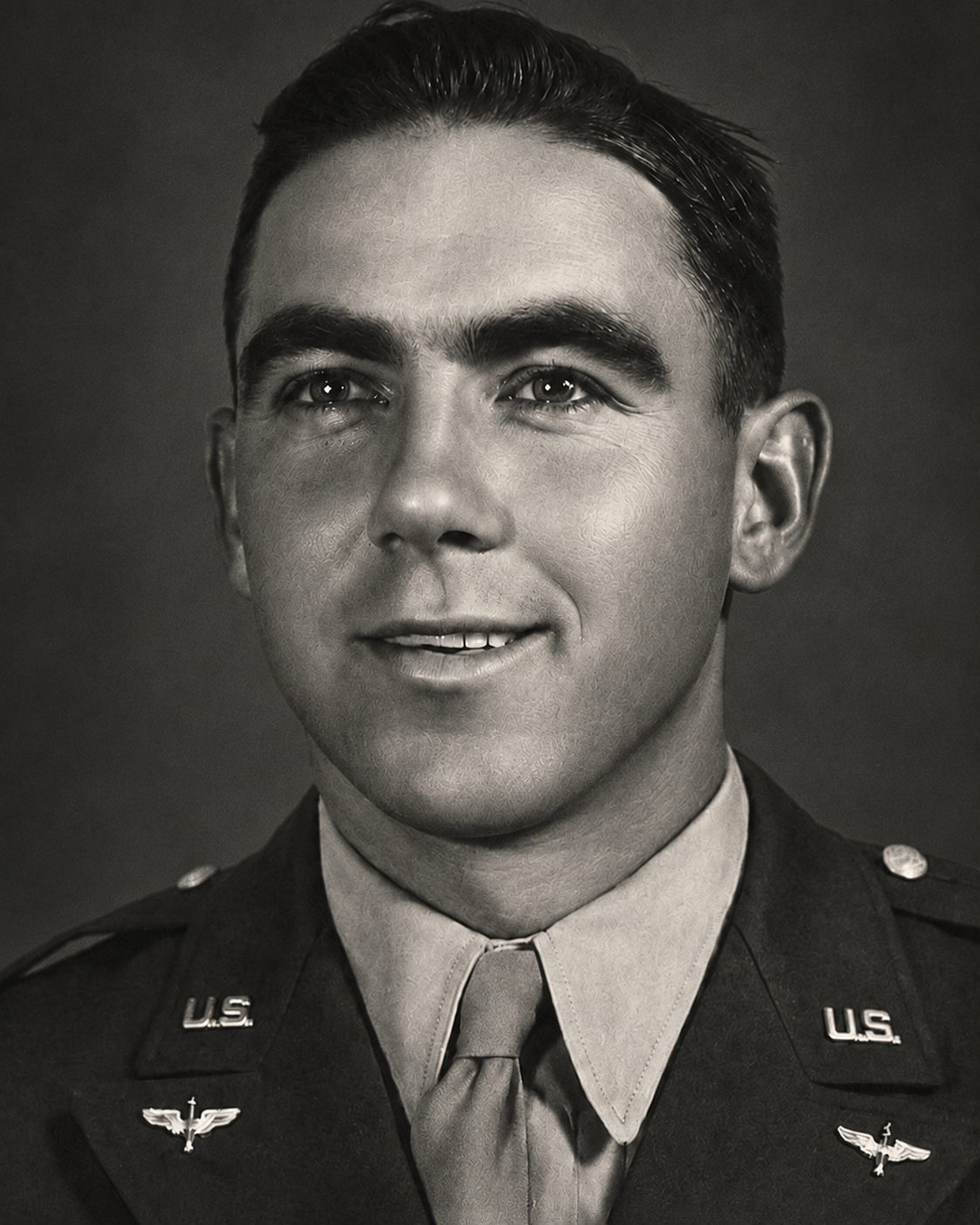
1LtWalter F. Hughes
Pilot
Station 1
O-764680
Santa Barbara
Completed his tour
Returned
→
2LtPeter Scott
Co-Pilot
Station 2
O-772526
—
Returned
→
2LtLouis H. Windsor
Navigator
Station 3
O-712976
—
Returned
→
2LtRalph Hendershot
Bombardier
Station 4
O-0768958
—
Returned
→
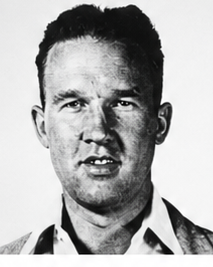
SgtConway Thorstenson
Engineer / Top Turret
Station 5
39464774
—
Returned
→
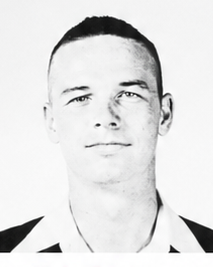
T/SgtNorbert L. Ecclesfield
“Eck”
Radio Operator
Station 6
3904111
—
Returned
→
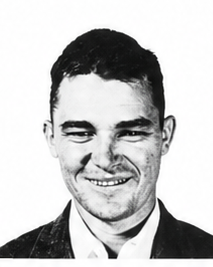
SgtMichael J. Kusnir
Waist Gunner
Station 8
35236546
—
Returned
→
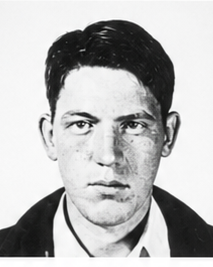
SgtBoyd L. Justice
Tail Gunner
Station 9
38440786
—
Returned
→
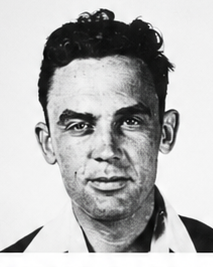
SgtRobert T. Lee
“The Old Man”
Nose Gunner
18215267
—
Returned
→
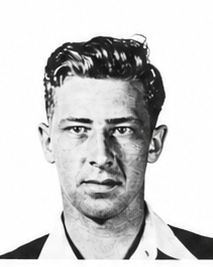
SgtCarroll F. Ruby
Gunner
33734687
—
Returned
→
The load.
§ 5,000 lb aboard
M17
Incendiary Cluster
10× 500 lb

TypeIncendiary (Cluster) · Magnesium/oil
Weight5,000 lb
The flight.
§ Ship’s Record
The Day
Took off fromHardwick (Sta. 104)
Landed atHardwick (Sta. 104)
The Record
ResultBombed Primary
Record confidenceValidated against a source
Formation
Flew with330th Squadron
Fuel & Equipment
H2X scope photoNo
The target.
§ As Briefed
HeilbronnMarshalling Yard
LocationHeilbronn, Germany
Notes.
§ From the Record
On the evening of September 9th, the group was alerted once again. Crew 94-C was on the list, and with it came the weight of what that meant. Only a day or two earlier they had been alerted and arrived too late to enter the fight. Now they had their orders, and the reality of a first mission settled in. The feelings were tangled: a sense of purpose, a desire to do their part, and the quiet, persistent awareness that they might not come back.
Standard practice was to assign a new pilot to fly with an experienced crew while a seasoned pilot took over his aircraft. But this crew had been with the squadron for three weeks and knew the routines well enough. They flew together on their first mission, with one exception: a different bombardier filled the position.
Wake-up came four hours before takeoff. The squadron orderly moved through the barracks that night, rousing each man scheduled to fly, along with one or two alternates in case a listed crew couldn't go. The mechanics of flying a mission were by then well drilled, and the crew moved into their assigned position without difficulty.
The mission itself was another matter. Crossing the Rhine somewhere between Frankfurt and Cologne, a four-gun antiaircraft battery of 88mm guns found them. The first burst detonated roughly a hundred feet off the left side. The next came off the right. The flak grew so dense that the lead group disappeared behind a curtain of black smoke ahead, and then they were in it themselves. Bursts came between the aircraft and the ship flying alongside. There was nothing to do but hold course.
The crew landed and reported to Major Brutus "Pop" Hamilton for intelligence debriefing that afternoon. Hamilton, whom the pilot knew from his days as football coach and athletic director at the University of California, Berkeley, received a quiet group. Mission records noted 10 x 500-pound incendiaries dropped on a jet plant target, moderate flak, no enemy fighters, and all planes returned with one flak hole.
The navigator's log told the route in full: in over the coast at Hautbano, across San Quentin and Allied lines at Nancy, over the Rhine south of Strasbourg. The primary target at Günsburg was not reached; bombs fell on a target just north of Stuttgart. The return leg passed over Speyer, Kaiserslautern, Reims, and Cambrai. In all, 1,300 nautical miles.