“Buckeye”
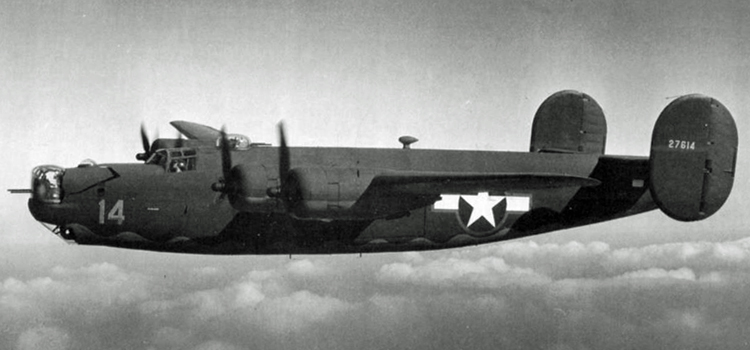
The aircraft carried the name Buckeye. According to bombardier William Hansen, it was chosen because three of the crew's airmen came from Ohio.
On 7 January 1944, the aircraft departed Hardwick at approximately 0700 to bomb Ludwigshafen. The crew flew through thick clouds from Paris onward. Just before reaching the target area, a JU 188 made a pass at the formation and the waist gunner fired a burst at it. Flak was fairly heavy.
The aircraft was hit by flak before dropping its bombs, with holes observed in the right wing and damage to the cowling of No. 4 engine (oil smoke pouring from a holed oil line). The crew bombed the target with the formation and started back. No. 2 engine then began to fail and was feathered, causing the aircraft to lose altitude and speed. After 20 more minutes on three engines they fell behind their group and attempted to join another B-17 formation but could not maintain speed. No. 4 engine also failed. With No. 3 supercharger also out, the aircraft was reduced to two engines and descended to 8,000 feet.
Coming out of the clouds, the crew observed the Fontainebleau Forest below. They threw out all available equipment but could not regain altitude. Broken fuel lines filled the fuselage with fumes, forcing the crew onto their oxygen masks, and French testimony records the bomber passing over the Eiffel Tower before turning south. Near Melun the aircraft was hit several times more by flak; the radio exploded, knocking out the intercom and compasses, and an engine caught fire. A fragment of flak went through the fuselage behind the waist windows, after which the crew was ordered to bail out at approximately 1420. The aircraft went into a spin to the left as the last crew members were jumping. The bail-out occurred at approximately 4,000 feet altitude, approximately 47 km south of Paris near St. Sauveur, southwest of Melun.
The bomber crashed in the Montgermont woods at Pringy, Seine-et-Marne. Two of the ten crewmen did not leave the aircraft and died in the crash.